Showing posts with label Manila. Show all posts

Saturday, November 30, 2019

...the PH world class gateway

Philippines prepares for world-class airport

Ai Ballesteros
ASEAN Economist
30 November 2019

The Philippines is set to get its own world-class gateway after the National Economic and Development Authority (NEDA) on Friday cleared the consortium’s proposal to revamp the Ninoy Aquino International Airport (NAIA).
The NEDA’s green light was the last approval that needed to be obtained by the consortium, after which it will undergo a competitive bidding or Swiss challenge, where the government will invite more private companies to top the proposal.
The consortium is composed of Ayala Corp., Aboitiz Group’s Aboitiz InfraCapital Inc.,  Andrew Tan’s Alliance Global Group Inc., Lucio Tan-led Asia’s Emerging Dragon Corp., the Gotianuns’ Filinvest Development Corp., the Gokongwei Group’s JG Summit Holdings Inc. and Metro Pacific Investments Corp.
Should there be no bidder within the given time frame, the NAIA consortium will be paved the way for the construction so long as it secures the Department of Transportation’s notice to proceed. The consortium will be given a 15-year concession period.
“This will mainly for the enhancement of the passenger experience, improving the movement of people in the terminal buildings as well as the movement of planes,” NEDA chief Ernesto Pernia told the Philippine media.
In September this year, a high official from NEDA who declined to be named said Swiss challenge is likely to happen within the end of the year.
In July this year, NEDA returned the consortium’s offer to rehabilitate NAIA and required another round of revision.
The consortium was told to follow the operations and maintenance template of the Clark International Airport in Pampanga.
Prior to NEDA, the Department of Transportation already gave its go-signal saying the offer “was acceptable.”
The rehabilitation of NAIA was one of the Duterte administration’s priorities after suffering from worsening congestion in the past few years. It is servicing 40 percent more than its designed capacity.
Last year, listed construction firm Megawide Construction Corp. expressed its interest in participating in the Swiss challenge for NAIA rehabilitation.
Megawide, in partnership with Bangalore-based GMR, developed and currently operates the Mactan-Cebu International Airport.

Tuesday, October 8, 2019

...the PH new ports

New ports lure Asia’s biggest cruise ship to the Philippines


Bangkok Post | Bloomberg Asia
08 October 2019


MANILA: The Philippines, a country of more than 7,600 islands where you’re rarely more than a few miles from the sea, wants a bigger slice of Asia’s growing cruise-tourism industry.
Sun loungers sit on The Spectrum of the Seas cruise ship, operated by Royal Caribbean Cruises Ltd.'s cruise line brand Royal Caribbean International (RCI), as the ship sits berthed at the Marina Bay Cruise Center in Singapore, on May 21, 2019. (Bloomberg photo)
For years the Southeast Asian nation has lagged behind its neighbours in attracting cruise visitors, partly because of spotty infrastructure. That’s bound to change as more ports are built and officials look at cruise tourism as a key source of arrivals.

With the economy in danger of notching its slowest expansion since 2011, attracting tourists is a key focus of efforts to boost growth. Tourism accounted for 12.7% of the Philippines’ gross domestic product last year, already beating the government’s goal of 10% by 2022. Government officials are revising up the targets in the country’s tourism development plan.
“There is great potential in cruise tourism,” Tourism Undersecretary Benito Bengzon told Bloomberg by email. “While our Asian neighbours have the advantage of a regional land connectivity, our archipelago is ideal for cruise tourism.”

The Philippines’ cruise strategy focuses on Manila, Boracay and Puerto Princesa, as well as potential new destinations in the northern part of Luzon, the country’s main island. Salomague Port in Ilocos Sur province, scheduled to open this month, will receive Royal Caribbean Cruises Ltd’s biggest ship in Asia in December; the “Spectrum of the Seas” will return again in January and February.
In April 2021, Manila’s first cruise-dedicated port is scheduled to open at the Solaire Cruise Center.

“These cruise ports will allow more access to the Philippines and encourage more shorter itineraries from north Asian markets like China, Hong Kong, Taiwan, Korea and Japan,” Bengzon said.

Cruise tourism brings large numbers of people to concentrated areas for brief periods, multiplying and focusing the economic impact. At a recent trade show, government officials and representatives of major cruise lines discussed the possibility of adding the Philippines to Asian itineraries from 2020.

The private sector is on board for the infrastructure push.

“Cruise calls in Manila, and the Philippines in general, have been growing quite strongly,” said Enrique Razon, chairman of casino-resort operator Bloomberry Resorts Corp. “Aside from Manila, we’re looking for one cruise-ship facility in the north and possibly two in the south.”

International Container Terminal Services Inc, also owned by Razon, is looking to invest 8.7 billion pesos 5.1 billion baht) to upgrade a port in the central Philippine province of Iloilo, which the company says may eventually include a terminal for cruise-ship passengers.

Tourism has been growing steadily in the Philippines in recent years, reaching 7.2 million visitors last year and 4.85 million in the first seven months of 2019. The government’s target is about 8.2 million visitors for 2019 and 12 million by the end of 2022, but that still pales next to Thailand, which expects more than 40 million tourists this year.

Employment in tourism and related industries has been rising faster than overall job growth. Tourism accounted for 13.4% of Philippine jobs in 2018, projected to rise to 14.4% by 2022, according to the Department of Tourism.

Central bank Governor Benjamin Diokno said the amount of foreign currency tourism brings into the country should rise now that Boracay island, which was closed for six months last year for environmental rehabilitation, has reopened to tourists.

While cruise arrivals can spur development of new tourist spots, they have more environmental impact than land-based tourism, said Robert Dan Roces, chief economist at Security Bank Corp in Manila. Sometimes dubbed “floating cities,” cruise ships have a relatively large carbon footprint, dump fuel into the ocean and leave a lot of waste at their destinations.

Tourism Secretary Bernadette Romulo Puyat is urging more support for sustainable tourism to spread benefits throughout the country.

“After all, tourism is everybody’s business,” she said in a statement.

Wednesday, September 25, 2019

..the Asia's friendliest cities

Travel website recognizes Manila, Cebu as among Asia's friendliest cities


Alec Go
Manila Bulletin
25 September 2019

Manila and Cebu ranked 4th and 15th, respectively, in Big 7 Travel’s list which was released recently.

The travel website described Manila residents as “famously welcoming,” and the city a “friendly place to spend some time in.”

Roxas Boulevard, Manila (supplied)


“It’s a place where locals have a buzzing attitude and an eagerness to show off their city to out-of-towners,” the article stated.

Cebu City, on the other hand, was recognized for its “exuberant vibe” and the presence of multiculturalism among its residents.

Ayala Center, Cebu City


Kuala Lumpur, Taipei, and Chiang Mai were the hailed the top three friendliest cities in Asia.

Big 7 Travel said they surveyed their “social audience of 1.5 million” for the list.

There were no specific criteria given to respondents, but factors such as where they felt the most welcome and how easy they navigated the area either with the help of locals or not were considered.

Big 7 Media is a travel website that features content on food, travel, and hotels around the world.

Wednesday, September 4, 2019

...the Filipino food scene in the US

Filipino Food Has a Lot to Gain As It Builds Traction in the United States

The young chefs behind the evolving new wave of Filipino food are more than ready to share their beloved cuisine with a bigger audience. 


Morena Duwe
vice.com
04 September 2019


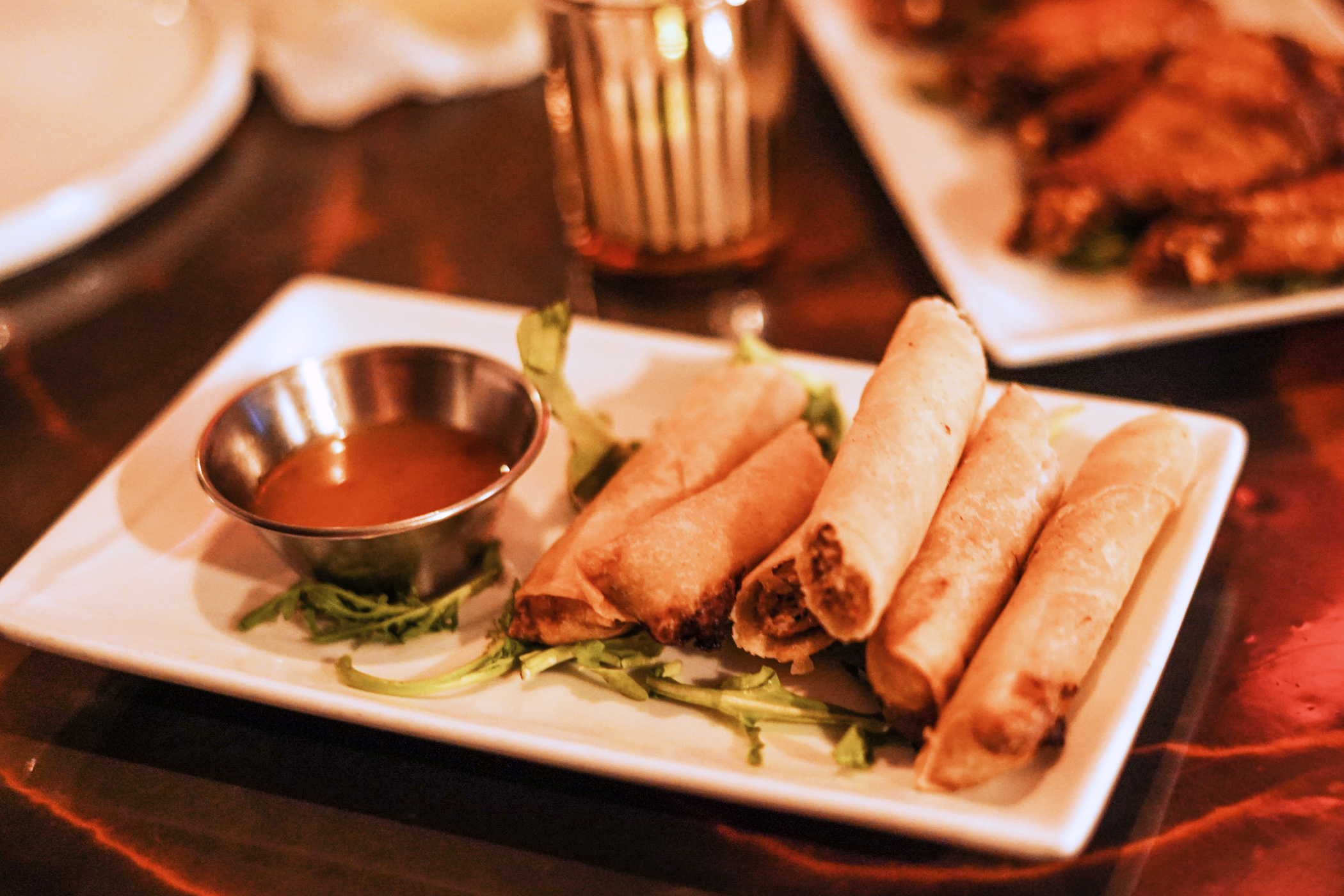
Lumpia are the glimmering golden pillars of Filipino cuisine.

Usually containing minced meat and vegetables, these deep-fried rolls may also contain raisins, jackfruit, or bananas. As crisp as autumn leaves, lumpia are famously made in large quantities and best enjoyed with loved ones. Like their delicious cousin, the egg roll, they originated in China, and were wholeheartedly adopted and then reinvented in the Philippines along with other neighboring island nations. They are a gateway into an underrepresented cuisine—a gustatory delight for palates of all ethnicities. But finally, after decades of being unacknowledged by America’s foodie culture, non-Filipinos are beginning to explore what lies beyond the lumpia when it comes to Filipino cuisine.

According to Diana Ting Liu Wu’s Asian Pacific Americans in the Workplace, a collection of case studies that examines the position of Asian Pacific Americans in the U.S. workforce, there are more ethnic Filipinos in Los Angeles "than in any other city except Manila.” Since the book’s publication in 1997, LA’s Filipinx diaspora has significantly increased, so it’s strange that in a county with the largest population of Filipino-Americans, their food is not fully ingrained into the city’s culinary culture. As the late Filipino writer, teacher, cultural historian, and food critic Doreen Fernandez was quoted as saying in a recent New York Times profile, “One did not take bosses, foreigners, dates or VIPs to have Filipino food at a restaurant; it wasn’t considered ‘dignified enough.”’ 

However, that perception has finally changed.


1567544487481-miles-najera-lolas-lumpia-1
Lumpia at Barkada. Photo by Miles Najera
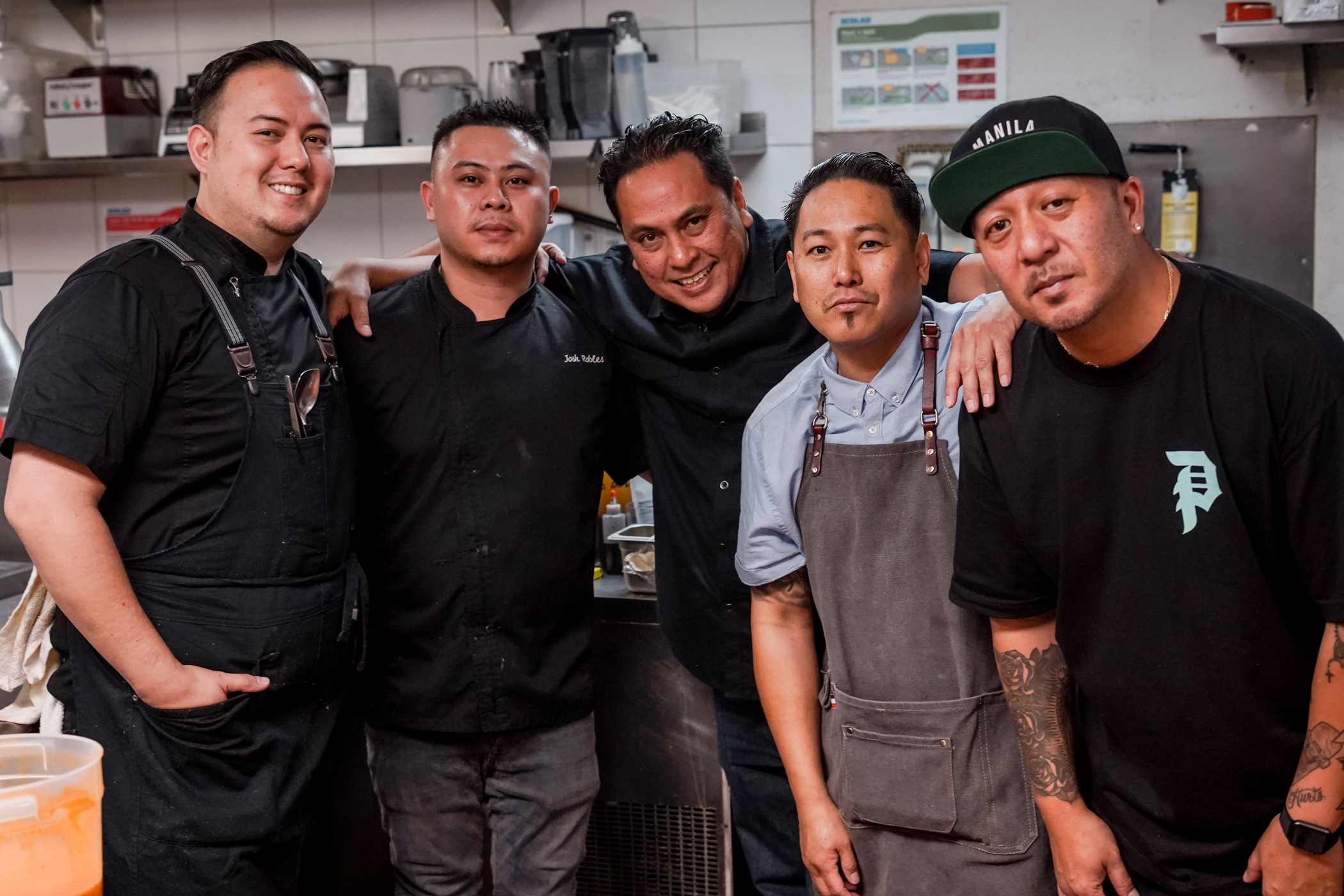
On the corner of a Hollywood strip mall on Vine Street, adjacent to a Cuban supper club that bumps salsa music at 120 decibels, sits Barkada—a hip, nascent Filipino tapas restaurant and lounge that offers live music, moody lighting, and community fundraisers. Run by longtime friends Paul Montoya, Jay Baluyot, and French-trained chef Josh Robles, Barkada was opened in 2017. Their friendship yielded the restaurant’s name, which is Tagalog for your clique, crew, gang, tribe, or whatever you call your chosen family, and the food is an amalgamation of traditional family recipes and chef Robles’ innovative Asian-inspired creations. When asked who owns the joint, they simply reply: “It’s a family business.” 

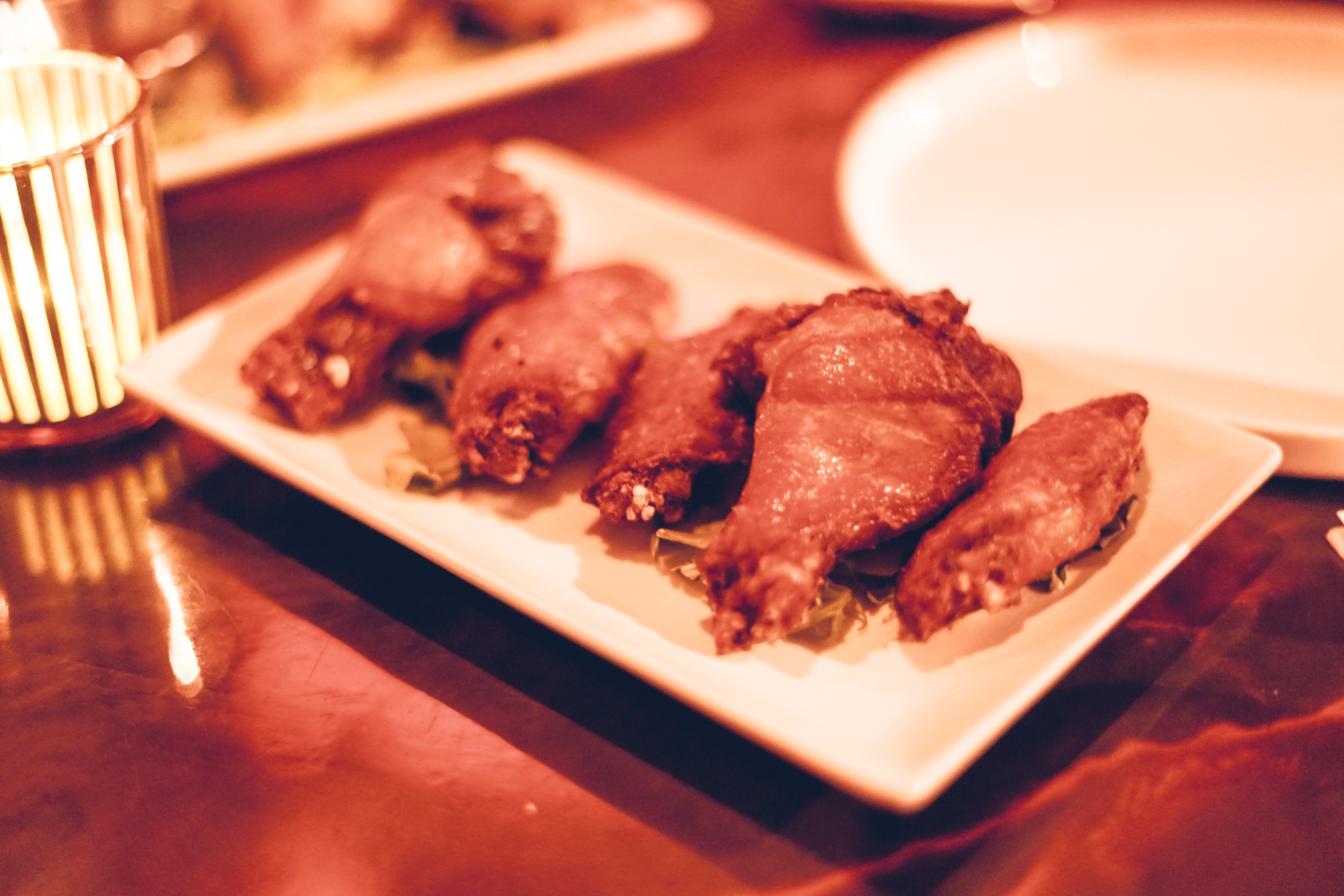
“It all started because we wanted to represent Filipino food in a different way,” says Montoya, over a plate of his Lola’s (Tagalog for grandmother) famed calamansi chicken wings. “Growing up in LA, people used to joke around with us, saying we eat dogs and cats. That was a common thing I’d hear back in the day—that’s what people thought about Filipino food.”

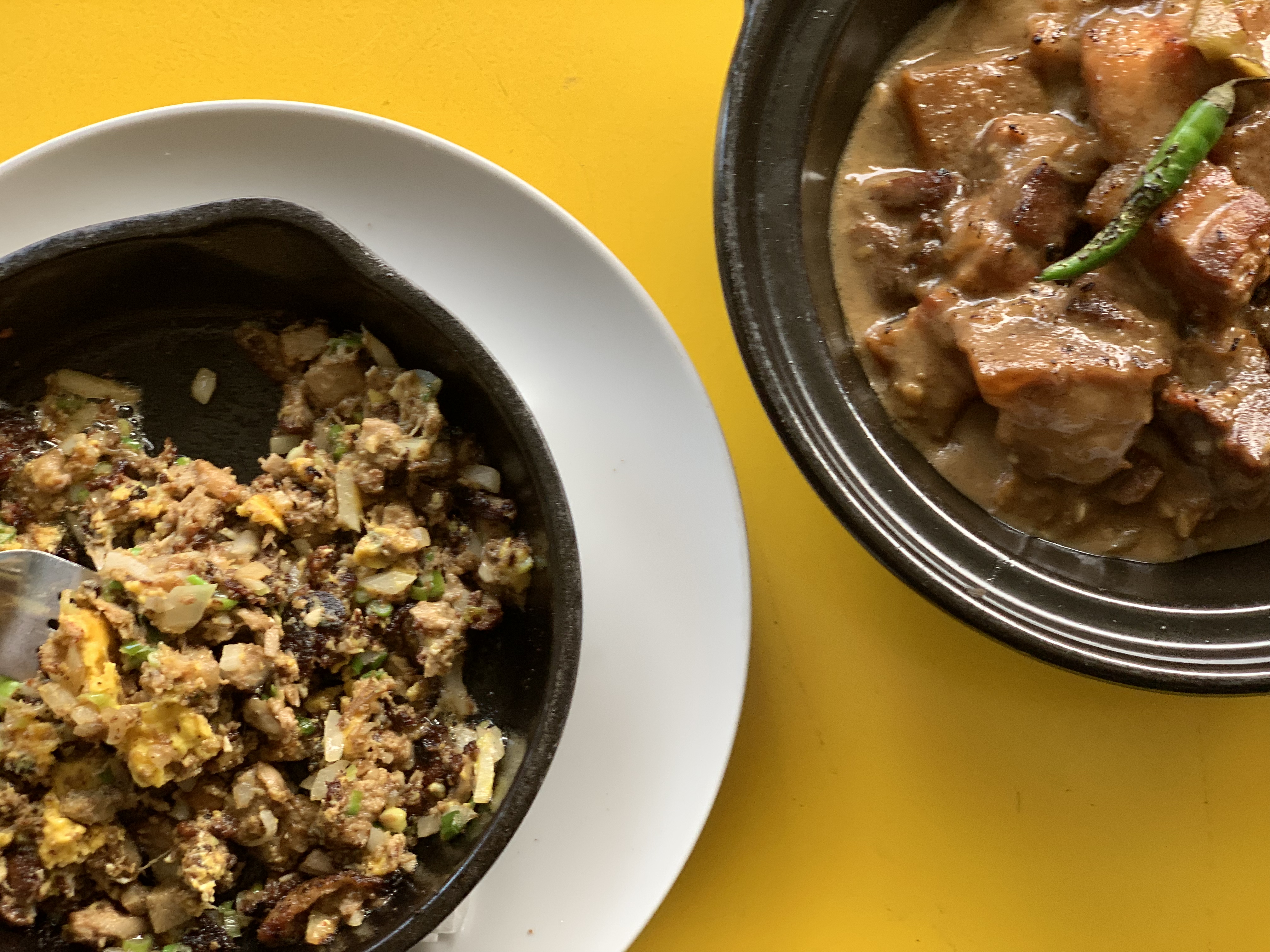
Charles Olalia’s popular Ma’am Sir in Silver Lake—who Montoya and Baluyot fondly consider to be part of their ‘barkada’—is among the new wave of restaurants to spark this gustatory renaissance. After attending culinary school in Manila, Olalia moved stateside, ultimately landing in Los Angeles. He first opened Rice Bar, a successful counter restaurant in DTLA that served Filipino-inspired grain bowls, which built the foundation for him to expand with Ma’am Sir. Serving reimagined classics like sizzling pork sisig and banana bibingka—typically a baked rice cake that is sometimes topped with salted duck egg and especially popular during Christmas—Ma’am Sir has been lauded by the media, including a glittering write-up in the Los Angeles Times earlier this year.

Tucked away in strip malls and Filipino neighborhoods across the city, Filipino restaurants in LA have often been overlooked by non-Filipinos, and usually contain mostly, if not all, Filipinx patrons. Almost anyone who passes a sushi or pho restaurant knows exactly what is served. However, the Filipino food vernacular is commonly relegated to those who grew up eating it (and those with Filipinx relatives or close friends). Turo turo joints—Tagalog for “point point,” referring to the way in which the food is ordered—are popular among the diaspora, but unbeknownst to most non-Filipinx Angelenos. In group dining scenarios when restaurant suggestions are made, you will likely hear mentions of Thai, ramen, Korean barbecue, pho, sushi, and Indian joints—Asian cuisines recognized the world over. Rarely will Filipino food be included in the conversation.


1567544523188-miles-najera-barkada-team-photo-1
The team at Barkada. Photo by Miles Najera
Food has long been a gateway to cultural understanding. Anthony Bourdain brought the people and cuisines of tension-filled regions like Israel and Congo directly into our living rooms, examining conflict through the lens of food. Conflict Kitchen in Pittsburgh, Pennsylvania rotates its menu depending on the people or country with which the United States is in conflict, encouraging patrons to reshape their understanding of the culture, politics, and issues of the focus region. Based on the impact that Bourdain and establishments like Conflict Kitchen have made, using food to incite dialogue and connection works, and now more than ever, people of all ethnic backgrounds are open-minded to trying foreign foods like the Filipino delicacy balut (fetal duck egg—which Bourdain has eaten, and enjoyed, on-camera multiple times).

But while most signs point to positive in regards to the popularization of Filipino food, is there a risk of losing its authenticity? 

The ubiquity of Japanese and Chinese foods are good representations of the proliferation of Asian cuisine in the U.S. While sushi and potstickers have become household names, these food traditions have been diluted and modified to better suit Western palates and aesthetics. The ever-popular inside-out California roll, for example—placing the nori seaweed on the inside and the rice on the outside to make the roll appear more appetizing—was created in North America. And as many might already know, the fortune cookie is not a tradition in China.

At Barkada, as well as several other modern Filipino restaurants like Ma’am Sir, the goal is to represent Filipino food in a new and playful way. By taking traditional dishes like chicken adobo and elevating the ingredients—Barkada subs chicken for beef short ribs—the traditional flavors are still the foundation, just reinvented (much like pancit, which was created after China introduced noodles to the Philippines). Instead of offering large portions of these dishes, typical of most Filipino restaurants, non-Filipinos who are new to the flavors and words of Filipino food are able to try small portions without committing to one large dish, creating a perfect entry point for those unfamiliar with the cuisine. But, like Japanese and Chinese food, a bit of the tradition gets lost in the innovation.


1567544563049-miles-najera-calamansi-chicken-wings-1
The calamansi chicken wings at Barkada. Photo by Miles Najera
“A lot of Filipinos love seeing these elevated versions of classic recipes but some of the purists don't get it,” Baluyot explains while pointing to a dish of short rib kare-kare, a savory peanut-based stew traditionally cooked with oxtail. “That's what always happens with generation gaps, though, no matter the culture. Whenever a new generation changes something that hasn’t changed for a long time, the older generation doesn’t like it.”

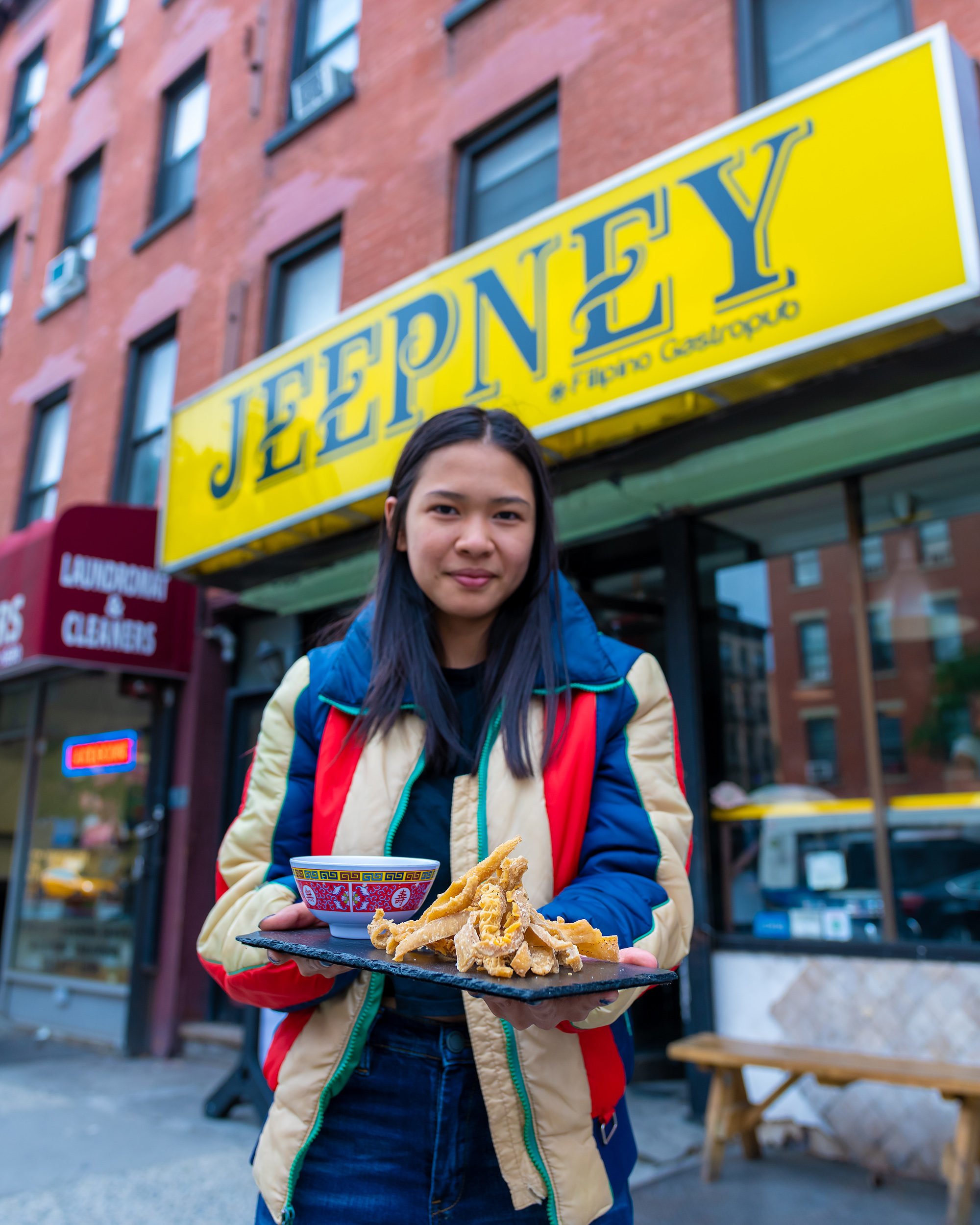
Because Filipino food is still in its nascency in America, most Filipinx restaurateurs including, Montoya and Baluyot, believe the popularization of their beloved cuisine doesn’t risk losing anything. In fact, they believe it has more to gain than to lose. Nicole Ponseca, author of I Am a Filipino: And This Is How We Cook and the founder of Maharlika and Jeepney restaurants in New York City echoes their sentiment about this proliferation. Though her career began in advertising, she discovered her true calling after noticing New York City’s lack of authentic Filipino food and dedicated her life to changing that.

“From my days of advertising, I knew that Filipinos had no representation in media,” Ponseca shares. “I had no intention of being a restaurant person, I was just trying to find the easiest way to make an impact. Restaurants are by no means easy, but food was the easiest way I could translate culture and dimensionalize people. I've been at this for 20 years and when I started there was very little representation for Filipinos—not that I'm the first Filipino restaurant—but I think that we were the first to do it in a way that was political and offered a social commentary on representation. We knew that if we did it well, it would keep the door open for other Filipino restaurants, chefs, and entrepreneurs.”

Where Barkada seeks to introduce Filipino cuisine through the modernization of old family recipes, Ponseca’s goal is to serve purely traditional dishes, such as the aforementioned balut, and dinuguan, a rich, pork stew simmered in pig’s blood, garlic, chili, and vinegar. While offering a contemporary setting—most cafeteria-style Filipino restaurants are devoid of trendy ambiance—Ponseca aids in the purging of shame and exoticism around foreign foods. 


1567544597630-Photo-Jun-07-2-02-28-PM
Photo by Marts Romero
“When you stop talking about exoticism, that's when we become part of the lexicon,” she explains. “This is what we eat and we’re not ashamed or on display. It's not a raised eyebrow. It’s not being embarrassed when you open your Tupperware of food at school. When our story becomes normalized, we gain interest and respect and appreciation.”

Many modern Filipino restaurants, including Barkada, Jeepney, and Maharlika, have introduced their diverse crowds of diners to kamayan (Tagalog for “by hand”) feasts, a style of Filipino cuisine where banana leaves are splayed on a table and piled with seafood, meat, rice and vegetables, eaten sans silverware. This was a standard way of eating in the Philippines before Spanish conquistadors colonized the archipelago in 1565 and introduced cutlery.

“I did a lot of fucking research here; it wasn’t just me opening up a restaurant,” Ponseca declares. “I knew that going into it I would be deconstructing colonialism. It’s not just a restaurant, it’s about how I can push Filipino food forward so there’s no sense of euphemisms, there's no dumbing things down.”


Now, Filipino food is having its long-awaited moment. In an era where adventurous eating is cool, helped in part by Anthony Bourdain, the door for other underrepresented cuisines to find their limelight in American food culture is wide open. Whether it be through innovation, fusion, or standing by tradition, Filipino food has earned a seat at the table.


1567544637551-jeepney-maharlika-5
Photo by Marts Romero

“Filipino food is finally getting acknowledged,” Montoya shares. “It has a few more years to becoming a household name, like other Asian cuisines, but I’m excited to see where it goes next. Even if it’s the fusion places that are putting it on the map right now, it’s a gateway to the traditional spots that have always existed. And that's a good thing.”


Wednesday, August 28, 2019

...the top travel pick

10 Reasons Why The Philippines Needs To Be TOP Of Your Travel Bucket List


Eadaoin Fitzmaurice
lovin.ie
28 August 2019


Travelling comes in trends.


You see places come into fashion and similar age groups flocking to specific locations. You start at age 18 in Magaluf/Santa Ponsa/Aya Napa followed by a summer hopping across European countries on an interrailing trip. Next, you're probably heading to Thailand for a piss-up or on a J1 and before you know it, you and your moh are heading to either Canada or Australia for a year...

Sound about right? 

Well, let me tell you about the HOTTEST destination that I guarantee will be the place to be within the next year - The Philippines.


I'm just back from this stunning country and I've honestly never loved a place more. It's like walking into a Pinterest feed - white beaches, crystal blue waters, palm trees and coconut vendors aplenty.

Best of all, it's not bombarded with tourists - get over there before they flock!

Still not convinced?

Here are 10 reasons why you'd be thick not to put this on the TOP of your travel bucket list this year:

1. Filipinos Are The Friendliest People Ever


I have never met a friendlier bunch of people.

The Filipino people are so lovely, always smiling, laughing and having the craic. We had multiple tour guides and we loved each one even more than the last.

They're also really helpful, whenever we got lost they'd always cop it and ask if we needed assistance.


2. You Can Swim With Whale Sharks

During my trip, we travelled to Oslob in Cebu to swim with whale sharks; it was honestly one of the coolest things I've ever done.
The whale sharks were absolutely HUGE and they just swim about, not a bother to them, while we watched in awe from beside our boat.
There are strict rules in place – you can't touch them, wear sun cream in the water or use flash photography and there were marine biologists on-site to make sure the animals were cared for, which I liked.
We had to get up at 3am to do the tour as it gets booked up very quickly and they stop permitting tourists early in the day, so be prepared.
One of the best experiences I had during my trip, hands down.


3. The Beaches Are 10 Times Better Than Any Other In The World
Everyone that travels to The Philippines says that the beaches are the most beautiful they've ever seen and I couldn't agree more.
The whitest sand you can imagine and clear blue waters - it's proper dreamy.
My favourite beach we visited was Nacpan Beach, north of El Nido in Palawan - truly stunning.

4. There Are Over 7,000 Islands To Explore
You could travel this place 100 times and there would still be somewhere new to see. Best of all, they are all so different from one another.


We travelled between four different islands and every single one was completely unique; they all had their own cultures, language, traditions and delicacies.


5. It's Really Affordable


Sure, it's cheap as chips!

Meals will usually cost €3-4, no more than €6, and that'd be for a really fancy place. Hostels will cost you between 700-1000 pesos a night which is just under €20.

You also don't have to purchase a visa to visit which will save you some quid compared to other similar destinations.

The main expense is getting there and back!

6. It's Super Safe


I have to admit, I was a little nervous travelling so far across the world to this country with a completely different culture, but from the moment I stepped off the plane, I felt so safe.

Walking down the street at night was a breeze, we never felt threatened or at risk and the locals are so friendly that they were always there to help us if we had a problem.
I never heard of anyone we met along the way getting robbed or scammed or anything like that.


7. They Are Very Environmentally Conscious - Single-Use Plastic Is Banned


One thing I noticed while travelling was how environmentally conscious they were. All single-use plastic is banned in Palawan and many sites and beaches are protected.

On most tours and activities you are asked to pay an area conservation fee so that they can preserve and develop the land.

We went on one tour and they asked us to pick any rubbish we saw out of the ocean, thankfully we didn't see much but when there was, they jumped out of the boat to get it and dispose of it correctly.


8. A Bottle Of Rum Costs €1.50


We headed to the supermarket to pick up some rum and coke for a night out. Never in my life have I seen my rum being cheaper than my mixer.

The local rum will blow your head off as well - it's the best thing to drink while you party!


9. It's The Only Place In The World You'll See A Tasier Monkey
These tiny creatures can only be found in the islands of Bohol, Samar, Leyte, and Mindanao.
They are the cutest, tiniest monkeys I've ever seen!
I mean LOOK at them:


10. Karaoke... Everywhere
The Filipinos ADORE karoke.
You cannot walk down the street without hearing them singing, it's actually GAS. On our tours, they sang and made us sing too, and whenever we dined, the staff would be singing behind the bar.
There's even a singing restaurant in Manila where you can eat while watching a live performance.
Try one of the karoke bars in Manila, lots of fun!
Literally the best country in the world!